Children’s Therapy is an independent occupational therapy practice based in West Sussex, providing high-quality assessment and therapy services to children and young people, their families, and schools across Sussex and Hampshire.
We also work in partnership with schools to offer assessment, advice, and intervention for pupils, alongside consultancy services to local authorities and independent schools. In addition, we provide professional supervision for newly qualified occupational therapists, those new to independent practice, and lone practitioners. We deliver training for parents, educators, therapists, and anyone working with special educational needs, neurodiversity, and trauma.
Children’s Therapy is owned and led by Clare Rader BSc (Hons) OT, PG Dip, an experienced occupational therapist committed to delivering high-quality, person-centred care.
The Role of Occupational Therapy for Children
“All children have a very important job to do. They have to grow, learn, socialise and play. Children do this every day by exploring the boundaries of their abilities. When they are successful, children develop and thrive, and this sense of achievement makes them happy.”
“However, if children have learning, emotional, psychological or physical difficulties, this can hinder their ability to grow, learn, socialise and play. This may result in difficulties with everyday activities such as getting dressed
or brushing their teeth. At school, children may struggle to concentrate in class or lack the confidence to take part in playground games. This can affect their ability to learn, participate, and make friends. Because ‘fitting in’
is so important to a child’s self-esteem and happiness, these challenges can be very difficult. Occupational therapists work with the child, parents and teachers to find solutions to minimise these difficulties and help children
get the most from life.”
— College of Occupational Therapy
“Using purposeful activity and play, the children’s occupational therapist works with the child to help them attain the highest possible quality of life. The occupational therapist assesses the child and uses therapeutic techniques
and activities to help maximise the child’s abilities and independence. The assessments and techniques vary according to the needs of the child.”
— National Association of Paediatric Occupational Therapists
What Do Occupational Therapists Do?
Occupational therapists are concerned with everything a child needs and wants to do throughout their day. This includes self-care, school activities, play, and social participation. They look at all the activities a child is involved in, identify areas of difficulty, and through skilled observation and analysis, establish the underlying causes of those difficulties. From this, they work with the child, family and school to find practical solutions.
- An occupational therapist may:
- Devise activity programmes to develop the skills needed to take part in everyday activities
- Provide direct therapy using a range of evidence-based approaches
- Recommend equipment, environmental adaptations or strategies to support participation
- Advise and train parents, carers and teachers on how to support the child’s development and independence
The overall aim is always to enable the child to participate as fully and confidently as possible in everyday life.
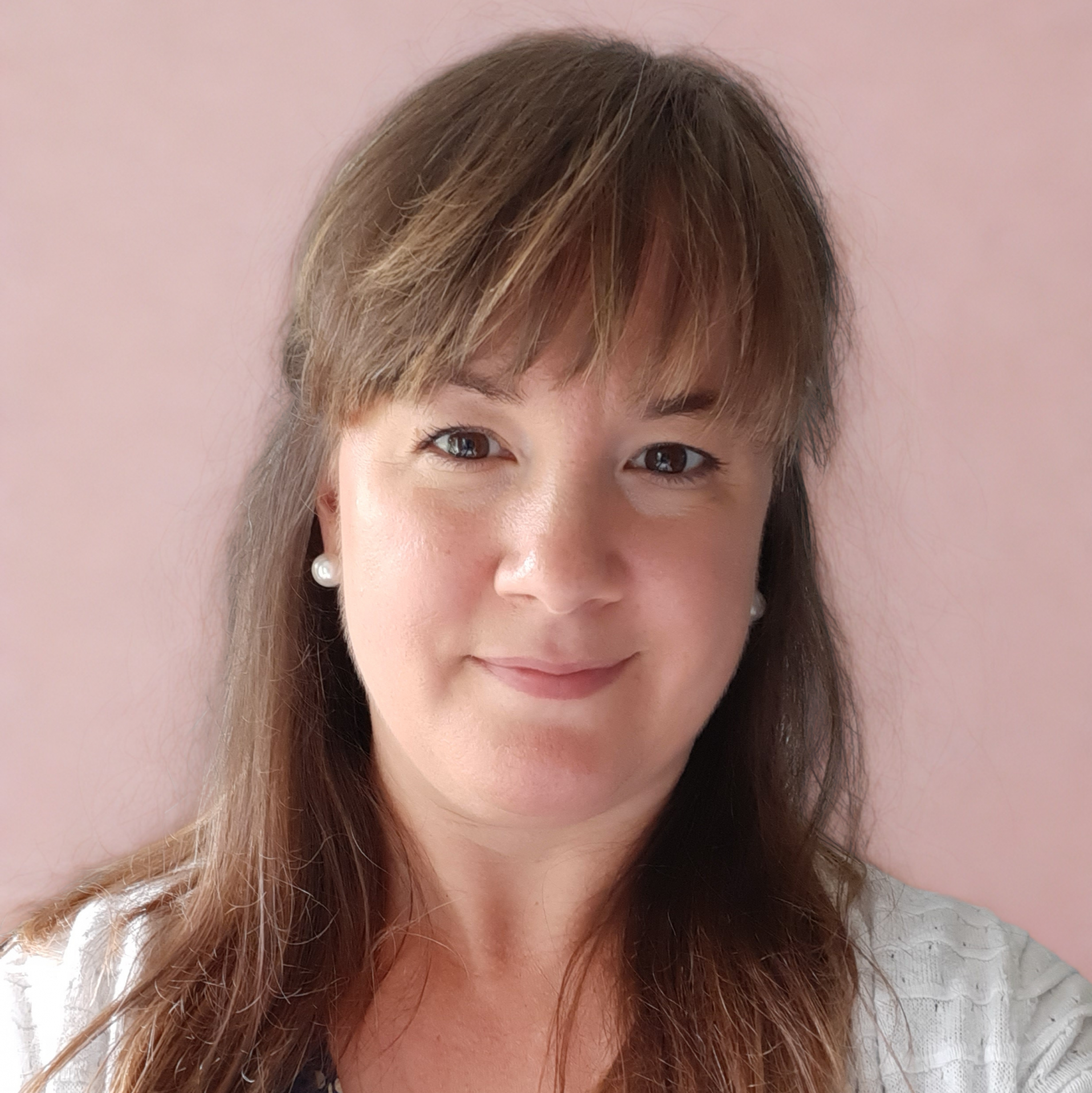
Clare Rader has worked as a paediatric occupational therapist since 2002 and has extensive experience supporting children and young people of all ages with both mild and complex needs. Her clinical experience includes working with children with Cerebral Palsy, Autistic Spectrum Disorder, Developmental Co-ordination Disorder, Sensory Integration difficulties, and difficulties arising from trauma and attachment.
Clare has worked across a wide range of settings including the NHS, mainstream and special schools, nurseries, children’s homes, and respite care services. This breadth of experience allows her to work flexibly and effectively within different environments to best meet each child’s needs.
She has completed a wide range of postgraduate training in specialist treatment approaches, including Theraplay® Level 1 (currently working towards Foundation Level), BUSS (Building Underdeveloped Sensory Motor Systems) Levels 1 and 2, Sensory Integration Modules 1 and 2, and she is a qualified Bobath therapist. Clare has also undertaken additional training in trauma and attachment, postural management, Developmental Co-ordination Disorder, handwriting, and splinting, alongside completing a Postgraduate Diploma in the Management of Childhood Disability.
Clare is highly experienced in the use of both standardised and non-standardised assessment tools. She uses a wide range of evidence-based and individualised treatment approaches, tailoring intervention to support each child, their family, and carers to meet their goals and maximise their potential in everyday life.